

Top Places to Host and Sell Games Like Itch.io
Mar 30, 2026 - 11 mins read
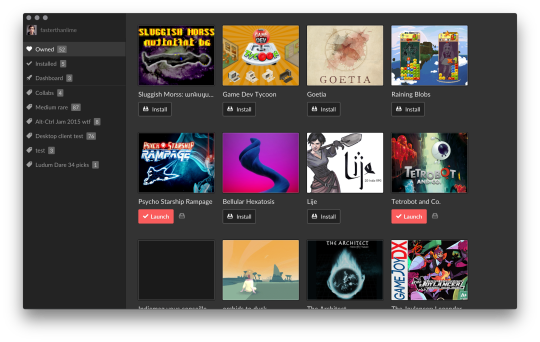
Top Places to Host and Sell Games Like Itch.io
If you are an indie developer, chances are you’ve heard of Itch.io.
It’s one of the most developer-friendly platforms out there.
But here’s the thing.
Relying on just one platform limits your reach.
In 2026, distribution is no longer about picking one store.
It’s about building a presence across multiple ecosystems.
This article explores the best alternatives and complements to Itch.io where you can host, sell, and grow your game.
Why You Should Diversify Your Game Distribution
Different platforms offer different advantages:
- audience type (casual vs hardcore)
- monetization models
- discoverability algorithms
- revenue share structures
If you only publish on one platform, you are:
- limiting visibility
- depending on one algorithm
- missing revenue opportunities
Smart indie developers treat distribution like marketing.
More platforms means more surface area for discovery.
1. Steam – The Industry Giant
Steam is the largest PC game distribution platform in the world.
Why it matters:
- Massive global audience
- Built-in wishlist system
- Community features (reviews, forums)
- Seasonal sales exposure
Downsides:
- Highly competitive
- $100 submission fee per game
- Discovery can be tough without marketing
Best for:
Developers serious about scaling revenue and reaching a global audience.
2. Epic Games Store – Better Revenue Share
The Epic Games Store has quickly become a strong competitor to Steam.
Why developers love it:
- 88/12 revenue split (better than Steam’s 70/30)
- Featured promotions and free game campaigns
- Lower competition compared to Steam
Downsides:
- Smaller user base than Steam
- Selective onboarding process
Best for:
Indie developers looking for higher margins and curated exposure.
3. GOG – DRM-Free Distribution
GOG focuses on DRM-free games.
Unique value:
- No DRM restrictions
- Loyal niche audience
- Strong reputation among gamers
Downsides:
- Smaller audience
- Selective approval process
Best for:
Developers who believe in consumer-friendly distribution.
4. Game Jolt – Community-Driven Platform
Game Jolt is a community-first platform similar to Itch.io.
Why it stands out:
- Strong social features
- Built-in fan engagement
- Popular among niche genres
Downsides:
- Smaller monetization potential
- Less professional audience compared to Steam
Best for:
Developers building a community around their games.
5. Kongregate – Browser Game Legacy
Kongregate was once the king of browser games.
Current relevance:
- Focus on web-based and idle games
- Monetization via ads and microtransactions
Downsides:
- Not as dominant as before
- Limited exposure compared to modern platforms
Best for:
Developers building casual or browser-based experiences.
6. Newgrounds – Creative Indie Culture
Newgrounds is a legendary platform for indie creators.
Why it matters:
- Strong creative community
- Support for experimental content
- Revenue sharing through ads
Downsides:
- Niche audience
- Limited scalability
Best for:
Developers exploring creative or experimental games.
7. Roblox – Platform as an Ecosystem
Roblox is not just a platform. It is an ecosystem.
Why it’s powerful:
- Massive user base
- Built-in monetization
- High viral potential
Downsides:
- Requires learning platform-specific tools
- Revenue conversion can be complex
Best for:
Developers targeting large-scale social gameplay.
8. Unity Asset Store – For Tool Creators
The Unity Asset Store allows developers to sell tools and assets.
Why it’s valuable:
- Passive income opportunity
- Developer-focused audience
- High demand for reusable assets
Downsides:
- Not for full games
- Competitive marketplace
Best for:
Developers monetizing tools and reusable systems.
9. App Stores – Mobile Distribution Power
The Apple App Store and Google Play Store dominate mobile gaming.
Why they matter:
- Billions of users
- Massive reach
- Multiple monetization models
Downsides:
- Highly competitive
- Strict policies
- Discovery challenges
Best for:
Developers building mobile-first games.
10. Your Own Website – Full Control
Building your own platform gives you:
- complete control
- no revenue cuts
- direct audience connection
Tools you can use:
Downsides:
- No built-in traffic
- Requires marketing effort
Best for:
Developers building a brand-first strategy.
Strategy: Combine Platforms Smartly
Instead of choosing one platform, consider this:
- Launch on Itch.io for early feedback
- Release on Steam for scale
- Use your website for direct sales
- Experiment with niche platforms
This creates a distribution funnel.
The Future of Game Distribution
Game distribution is evolving rapidly.
Trends to watch:
- AI-driven marketplaces
- subscription ecosystems
- creator-first platforms
- community-led discovery
Platforms are no longer just stores.
They are ecosystems.
Conclusion
Itch.io is a great starting point.
But it should not be your only one.
The best indie developers understand this:
Distribution is strategy.
The more platforms you leverage, the more chances your game has to succeed.
Final Thought
Your game deserves to be seen.
Don’t let it live in just one place.
Ship it everywhere.
Mon Mar 30 2026

